

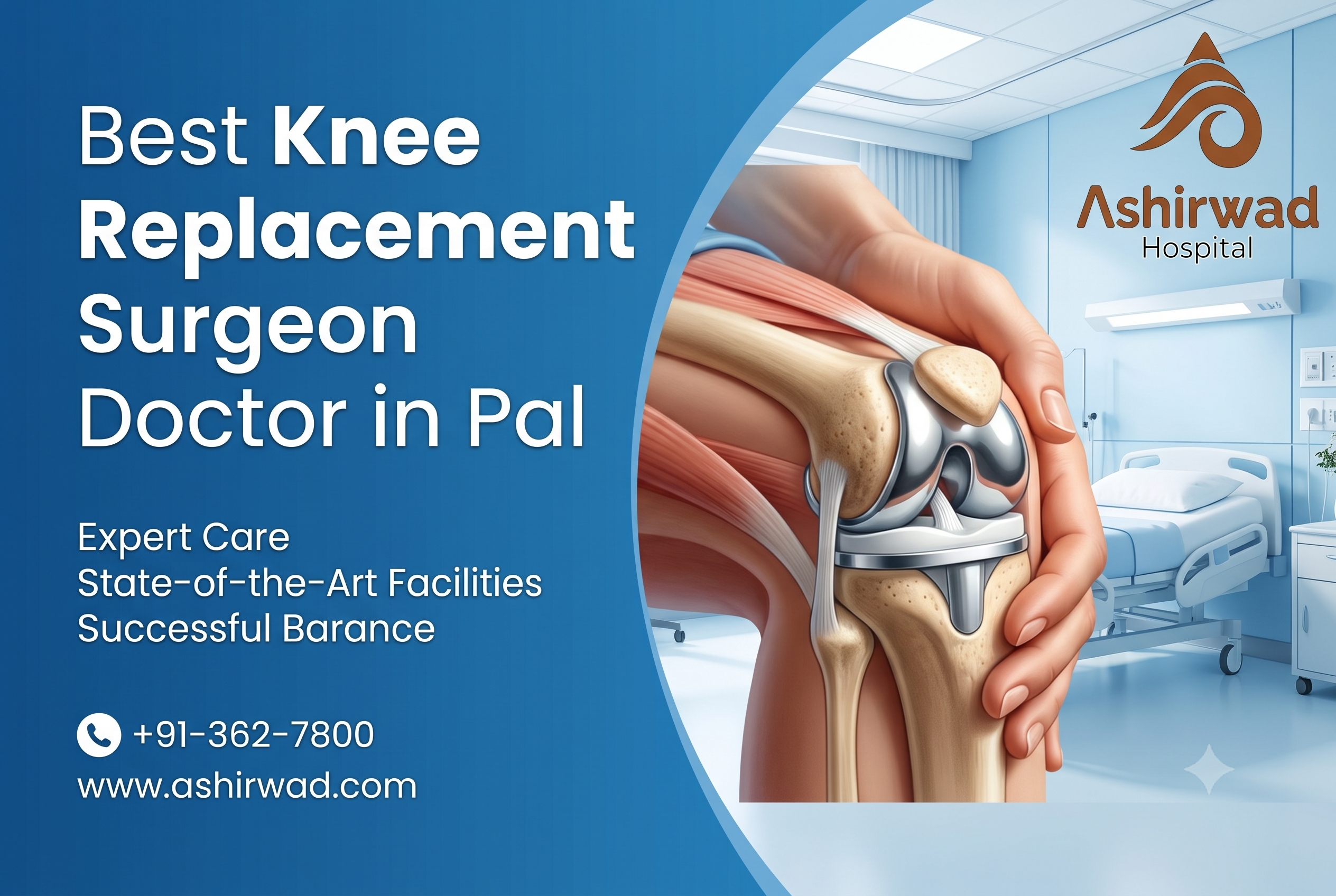
If knee pain has started controlling your daily routine in Pal, you are not alone. Pal has grown into one of the busiest residential pockets of Surat, and with that growth has come a steady rise in patients asking the same question: who is the best knee replacement surgeon doctor in Pal for a safe, lasting, and affordable knee surgery. This guide walks you through everything a patient in Pal needs before choosing a knee replacement surgeon, from spotting early symptoms to understanding surgery types, recovery timelines, and costs, so you can make an informed decision close to home.
Why Pal Residents Are Searching for a Knee Replacement Surgeon Nearby
Pal sits along one of Surat’s fastest developing corridors, connecting residents to Adajan, Vesu, and City Light within minutes. That convenience, however, does not always extend to specialised orthopedic care. Many families in Pal still travel across the city for a reliable orthopedic hospital doctor in Pal or a joint replacement specialist, losing valuable time during an already stressful health decision.
An ageing population, longer working hours at desks, and reduced physical activity have all contributed to a visible rise in knee osteoarthritis cases across South Gujarat. Add to this the number of retired professionals who have settled in Pal for its quieter residential character, and it becomes clear why local demand for a trusted knee replacement surgeon doctor in Pal keeps growing every year.
Signs You May Need a Knee Replacement Surgeon in Pal
Not every knee ache needs surgery, but ignoring persistent symptoms can make the eventual procedure harder and the recovery longer. Watch for these warning signs before booking a consultation:
- Knee pain that continues even while resting or sleeping
- Stiffness that makes it hard to bend the knee fully in the morning
- A grinding or clicking sound during movement
- Visible swelling around the joint that does not settle with rest
- Difficulty climbing stairs, squatting, or sitting cross-legged
- Reduced response to painkillers, physiotherapy, or knee braces over time
- Knee deformity, such as bowing outward or inward
If two or more of these apply to you, it is worth reading our detailed breakdown of the signs you need knee replacement and scheduling an evaluation rather than waiting for the pain to worsen.
What Makes a Great Knee Replacement Surgeon Doctor in Pal
Choosing a surgeon for knee replacement is not a decision to base on proximity alone. Here is what actually matters when you are comparing options in and around Pal:
1. Surgical Experience and Case Volume
A surgeon who performs knee replacements regularly develops sharper judgment during surgery, especially in complex cases involving severe deformity or revision surgery. Ask directly how many total and partial knee replacements the surgeon has performed.
2. Access to Modern Surgical Technology
Robotic-assisted and computer-navigated knee replacement systems allow for more precise bone cuts and implant alignment compared to fully manual techniques. Our comparison of robotic versus conventional knee replacement explains how South Gujarat patients can decide which approach suits their knee condition.
3. Hospital Infrastructure
A dedicated orthopedic operation theatre, a sterile joint replacement unit, and an in-house physiotherapy team all reduce infection risk and speed up recovery. Facilities without these standing setups often refer patients elsewhere post-surgery, which adds unnecessary delay.
4. Transparent Costing
Knee replacement is a significant financial decision for most families. A trustworthy surgeon’s team will walk you through the full joint replacement cost breakdown before surgery, including implant charges, hospital stay, and physiotherapy, instead of leaving costs vague until billing.
5. Structured Post-Surgery Rehabilitation
Surgery is only half the recovery. A surgeon who works closely with a physiotherapy team, and who sets clear recovery milestones, gives patients a far smoother return to normal life. Our guide on physiotherapy after joint replacement outlines what this rehabilitation phase typically involves.
Meet Dr. Ankit Chaudhari, Knee Replacement Surgeon Serving Pal
At Ashirwad Hospital, patients from Pal are treated by Dr. Ankit Chaudhari, an experienced orthopedic and joint replacement surgeon known across South Gujarat for combining surgical precision with a patient-first approach. Dr. Chaudhari specialises in total knee replacement, partial knee replacement, robotic-assisted knee surgery, and revision knee surgery for patients whose earlier implants have worn out or failed.
Patients travelling from Pal appreciate that Dr. Chaudhari’s team handles every step under one roof, from the first diagnostic consultation and imaging to surgery, hospital stay, and structured physiotherapy. You can read more about his approach and consultation details on our page about the orthopedic doctor near Surat with fees.
Types of Knee Replacement Surgery Available in Pal
Understanding your surgical options helps you have a more productive first consultation. Here are the main types of knee replacement offered to patients from Pal:
Total Knee Replacement
The entire knee joint surface is resurfaced with an artificial implant. This is the most common procedure for patients with advanced osteoarthritis affecting the whole joint. Full details are covered on our total knee replacement service page.
Partial Knee Replacement
Only the damaged compartment of the knee is replaced, preserving healthy bone and ligaments elsewhere. This option usually means a shorter hospital stay and a more natural-feeling knee, provided the patient is a suitable candidate. Learn more on our partial knee replacement page.
Robotic-Assisted Knee Replacement
Using robotic arm assistance, the surgeon can plan implant positioning with millimetre-level accuracy based on a 3D model of the patient’s knee. This often translates into better implant longevity and a more natural range of motion after healing.
Revision Knee Replacement
For patients whose previous knee implant has loosened, worn out, or become infected, revision surgery replaces the old implant with a new one. This is a more technically demanding procedure and should only be performed by a surgeon experienced in revision total knee replacement.
Step-by-Step: What to Expect During Treatment
- Initial consultation and diagnosis. The surgeon reviews your symptoms, X-rays, and mobility limitations to confirm whether knee replacement is necessary or whether conservative treatment can still help.
- Pre-surgery workup. Blood tests, cardiac clearance where needed, and anaesthesia evaluation to confirm you are fit for surgery.
- Surgery day. The procedure typically takes one to two hours per knee, performed under spinal or general anaesthesia.
- Hospital stay. Most patients stay for three to five days, during which walking with support usually begins within twenty-four to forty-eight hours.
- Early rehabilitation. Guided physiotherapy starts almost immediately to restore movement and prevent stiffness.
- Long-term recovery. Strength and independent mobility continue improving over several months. Our knee replacement recovery timeline breaks this down week by week so patients in Pal know exactly what to expect at each stage.
Knee Replacement Cost for Patients in Pal
Cost is one of the biggest concerns for families evaluating knee replacement, and it varies based on the type of implant, whether the surgery is robotic or conventional, room category chosen, and whether one or both knees are treated. Patients from Pal are encouraged to request a written cost estimate during their first visit rather than relying on rough figures shared informally. Our page on joint replacement cost in Surat gives a full price breakdown to help you plan ahead financially.
Insurance and Government Scheme Support
Many patients from Pal are eligible for cashless treatment through private insurance or government health schemes. If you hold an Ayushman card, review our guide on PMJAY joint replacement coverage in Gujarat to understand what is covered. Patients with private insurance can check our page on cashless surgery insurance near Adajan for the documentation and approval process.
Comparing Nearby Options: Pal, Adajan, and City Light
Patients researching knee replacement in Pal often compare surgeons across neighbouring localities as well, since a short drive can widen the pool of qualified specialists. If you want to weigh options further, our guides on the best knee replacement doctor near Adajan and orthopaedic doctors near City Light offer useful comparisons for families willing to travel slightly further for the right surgical fit.
Why Ashirwad Hospital Is a Trusted Choice for Knee Replacement Near Pal
Choosing a hospital is as important as choosing a surgeon, since surgical outcomes depend heavily on the team and infrastructure supporting the surgery. Ashirwad Hospital has built its reputation in South Gujarat around a few core strengths that matter most to patients travelling from Pal.
Dedicated orthopedic operation theatres. Knee replacement surgery requires a sterile, well-equipped environment. Ashirwad Hospital maintains operation theatres designed specifically for joint replacement procedures, reducing infection risk and supporting consistent surgical outcomes.
In-house physiotherapy and rehabilitation. Recovery does not end when the surgery is over. Having a physiotherapy team on-site, working closely with the surgical team, means your rehabilitation plan is coordinated rather than handled by a separate, disconnected provider.
Transparent communication. Patients often say that the biggest source of anxiety before surgery is not knowing what to expect. The team at Ashirwad Hospital walks patients through diagnosis, surgical options, expected recovery, and costs in plain language before any decision is finalised.
Continuity of care. From your first diagnostic visit to your final follow-up appointment months later, the same surgical team stays involved, which allows small issues to be caught early and adjustments made quickly if recovery does not follow the expected pattern.
For patients in Pal who have previously had to travel to central Surat or beyond for specialised orthopedic care, this combination of surgical expertise and coordinated rehabilitation offers a genuine local alternative.
Common Myths About Knee Replacement Surgery
Misinformation often delays patients from seeking timely treatment. Here are a few myths worth addressing directly.
Myth: Knee replacement is only for elderly patients. While age-related osteoarthritis is a common reason for surgery, younger patients with rheumatoid arthritis, sports injuries, or post-traumatic joint damage may also need knee replacement well before their sixties.
Myth: The artificial knee will feel completely different from a natural knee. Most patients report that after full rehabilitation, the operated knee feels stable and natural during everyday activities like walking, climbing stairs, and light exercise, even though high-impact sports are generally discouraged.
Myth: Recovery takes a year or more before you can walk normally. With modern surgical techniques and structured physiotherapy, most patients walk independently within four to six weeks and resume most routine activities within two to three months, not a full year.
Myth: Surgery should be delayed as long as possible. Waiting too long often means more bone and cartilage loss, weaker surrounding muscles, and a more difficult surgery and recovery. Consulting a knee replacement surgeon doctor in Pal early, even to simply understand your options, is usually the safer path.
Myth: Both knees can never be operated on together safely. For selected patients who are medically fit, simultaneous bilateral knee replacement is a well-established option that can reduce total recovery time compared to two separate surgeries months apart. Your surgeon will assess whether this is suitable for you based on your overall health.
Lifestyle Adjustments That Support a Faster Recovery
Surgery and physiotherapy address the mechanical side of recovery, but daily habits play a significant role in how quickly and completely patients in Pal regain full function.
- Maintain a healthy body weight. Extra weight places additional load on the new joint, so patients who are overweight are often advised to work on gradual weight management alongside recovery.
- Follow the prescribed exercise routine consistently. Skipping physiotherapy sessions, even when the knee feels fine, is one of the most common reasons recovery slows down.
- Use assistive devices as recommended. Walkers, canes, or knee braces during the early recovery weeks are not a sign of weakness. They protect the healing joint and reduce fall risk.
- Modify your home environment temporarily. Removing loose rugs, adding grab rails near the bathroom, and keeping frequently used items within easy reach can prevent accidental falls during the first few weeks after surgery.
- Attend every follow-up appointment. Regular check-ins allow the surgical team to track healing, adjust physiotherapy intensity, and catch any early signs of complications before they become serious.
Preparing for Your First Consultation
A little preparation before your first visit can make the consultation far more productive:
- Carry any existing X-rays, MRI reports, or previous doctor’s notes
- Write down when the knee pain started and how it has progressed
- List current medications, including painkillers and supplements
- Note any other health conditions such as diabetes, high blood pressure, or heart disease
- Prepare questions about implant type, expected recovery time, and total cost
Life After Knee Replacement: What Patients in Pal Can Expect
Most patients regain the ability to walk without support within four to six weeks and return to most daily activities, including light household work and short walks, within two to three months. Full strength and confidence in stair climbing, longer walks, and low-impact exercise generally return by the fourth to sixth month, depending on age, pre-surgery muscle strength, and how consistently physiotherapy instructions are followed.
Patients who commit to their prescribed physiotherapy sessions, maintain a healthy weight, and attend scheduled follow-up visits tend to report the best long-term outcomes, often continuing to use their new knee comfortably for fifteen to twenty years or more.
Frequently Asked Questions
Q1. What is the right age for knee replacement surgery? There is no fixed age. The decision depends on the severity of joint damage, pain levels, and how much daily function has been affected, not on age alone. Many patients in their forties and fifties undergo surgery successfully, as do patients in their seventies and eighties.
Q2. How long does knee replacement surgery take? A single knee replacement typically takes one to two hours. If both knees are being operated on in the same sitting, the total time is longer, and the surgeon will discuss whether simultaneous or staged surgery is safer for your case.
Q3. Is robotic knee replacement better than conventional surgery? Robotic assistance can improve precision in implant positioning, which may support better long-term implant performance for some patients. Whether it is the right choice depends on individual knee anatomy and the surgeon’s recommendation.
Q4. How soon can I walk after knee replacement? Most patients begin walking with a walker or support within twenty-four to forty-eight hours of surgery, under physiotherapist supervision.
Q5. Does insurance cover knee replacement surgery in Pal? Most private health insurance policies and the PMJAY scheme cover knee replacement, subject to pre-authorisation and policy terms. Confirming coverage before surgery avoids billing surprises later.
Q6. How do I book a consultation with a knee replacement surgeon near Pal? You can reach out through our contact page to schedule an appointment with Dr. Ankit Chaudhari at Ashirwad Hospital.
Book a Consultation for Knee Replacement in Pal Today
If knee pain has been holding you back from the activities you enjoy, the right time to see a specialist is before the joint damage worsens further. Ashirwad Hospital brings experienced surgical care, modern robotic-assisted technology, and structured rehabilitation together for patients across Pal and the wider Surat region. To discuss your symptoms and explore your options, visit our orthopedic services page or get in touch directly to book your consultation.